Beit Al Dimashqi

Our story

From a small sesame seed to a story of 150 years

Every sesame seed has a story. Ours began long before Beit Al Dimashqi had a name.

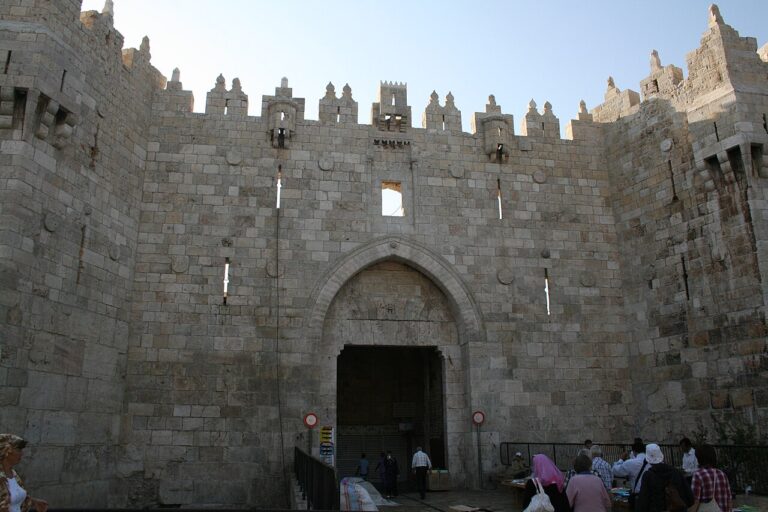
Bab Al-Amud, Jerusalem
Photo: Randa Fawzi, CC BY-SA 4.0
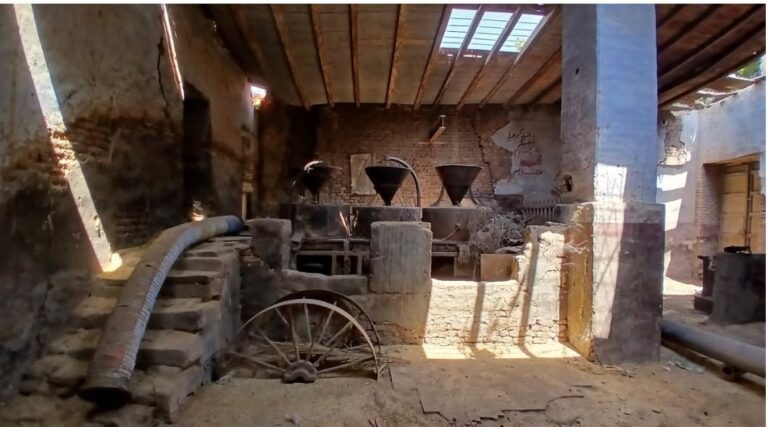
An old tahini mill in Jerusalem's Old City
An old tahini mill in the Old City
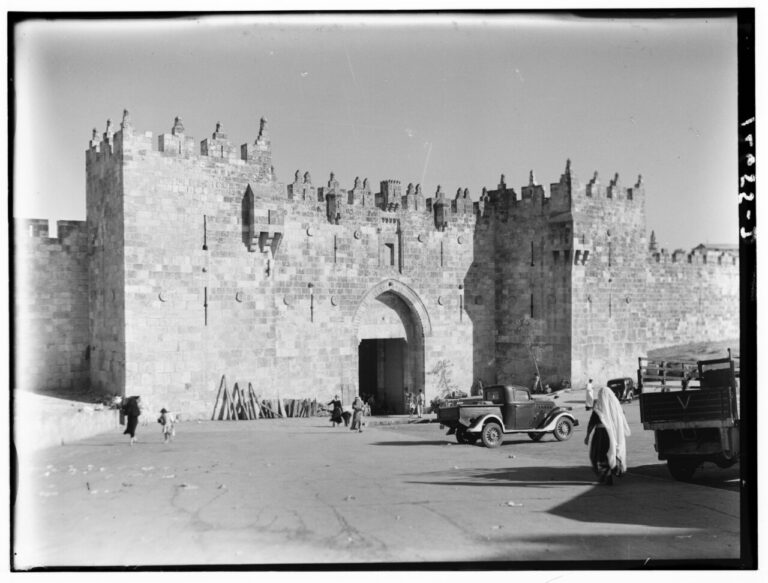
Bab Al-Amud (Damascus Gate), first half of the 20th century
Bab Al-Amud, first half of the 20th century · Matson Collection, Library of Congress
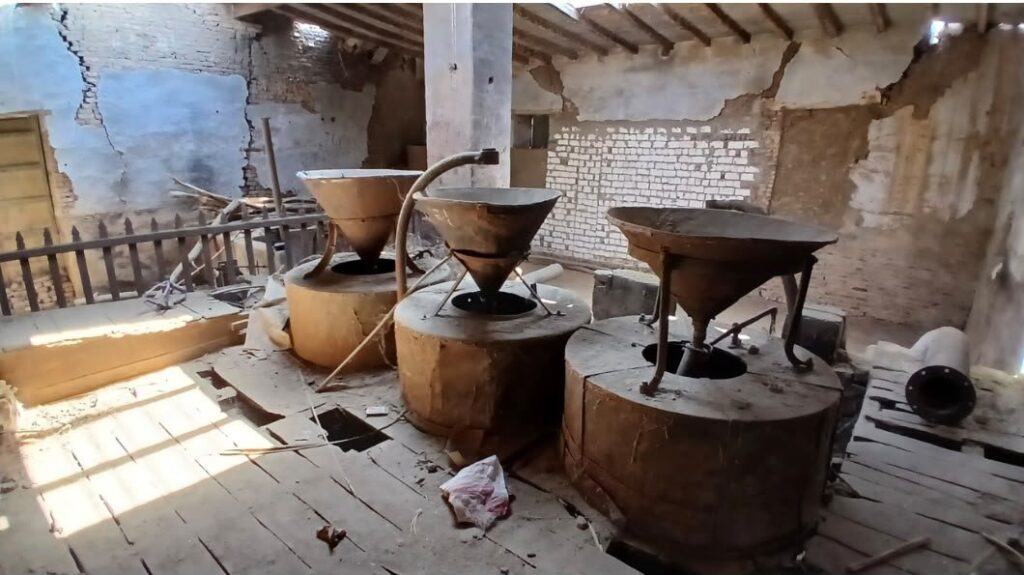
Stone grinders of an old tahini mill

A craft passed from father to son

For around 150 years, making tahini has been part of our family. The craft was handed down from father to son in the alleys of Jerusalem’s Old City, where it was practised in small traditional shops.

Knowing good sesame, how to roast it and how to grind it is not learned from books. It comes from years of practice, generation after generation.

Why "Beit Al Dimashqi"?

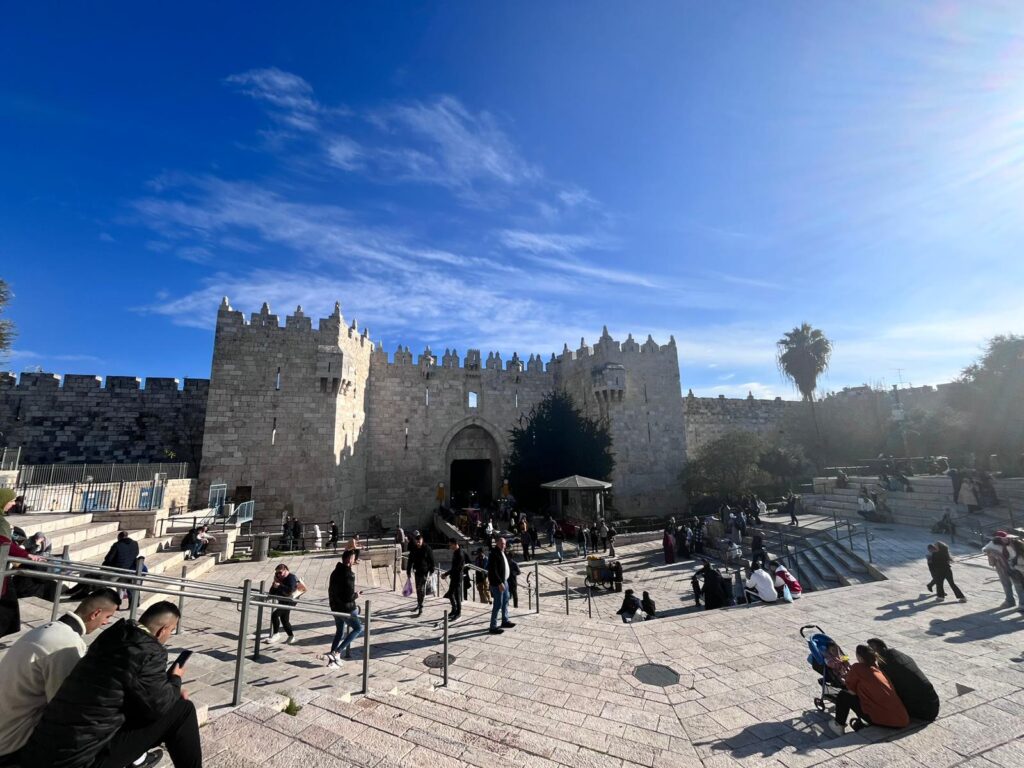
In the heart of Old Jerusalem stands Bab Al-Amud, one of the city’s best known gates, historically called Damascus Gate. Our name, “the house of the Damascene”, ties us to that gate, to the Old City and to the place where our family’s craft grew.

For us the name is more than a brand. It is a bridge between the memory of a place and the ambition of the future.
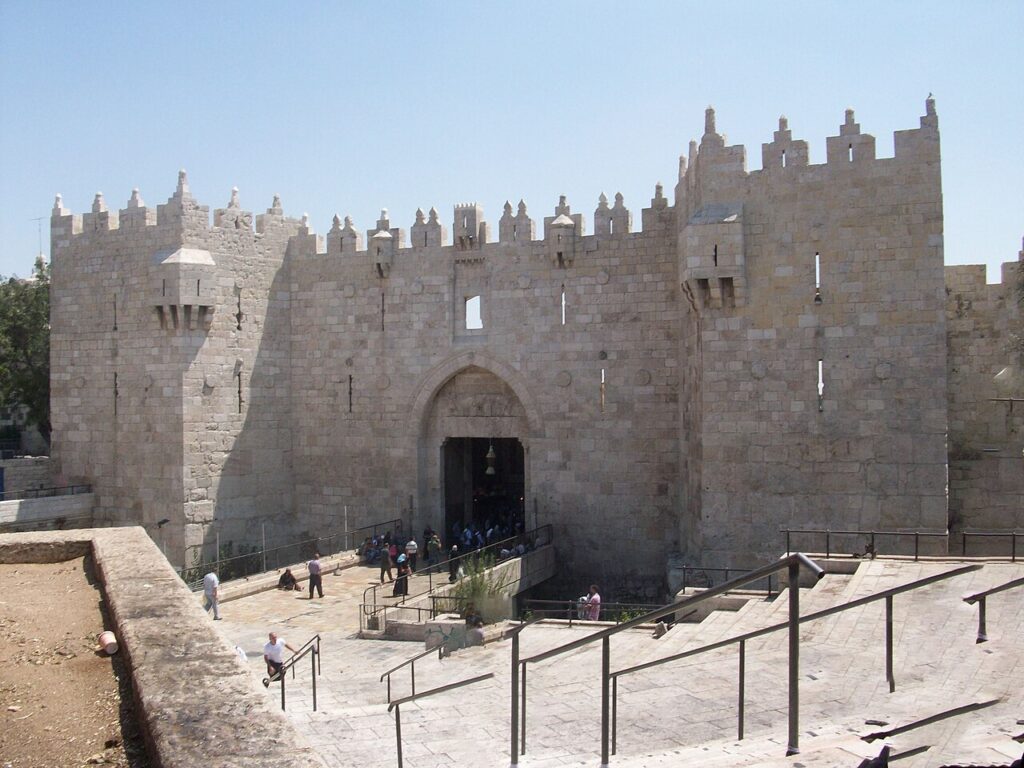
Damascus Gate (Bab Al-Amud), Jerusalem
The gate up close · Photo: Diego Delso, CC BY-SA 3.0

Two partners, one vision

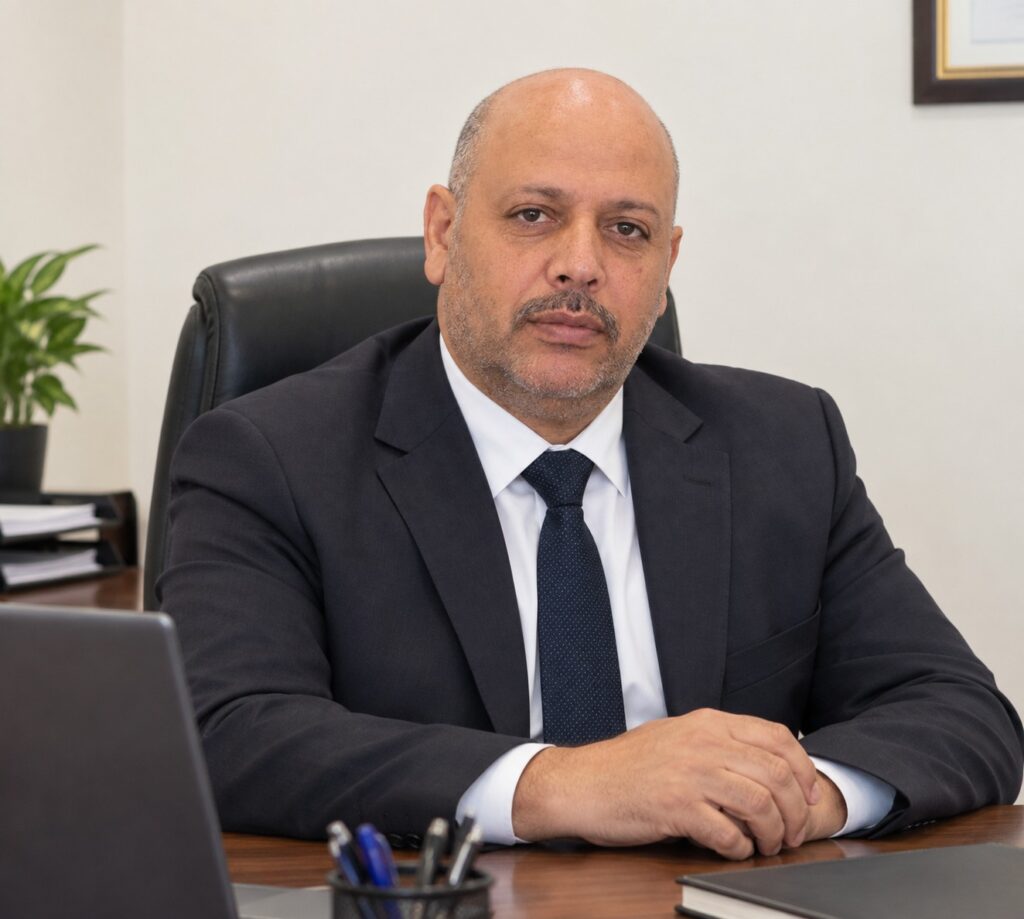
Bashar Al-Salhi, co-founder of Beit Al Dimashqi

Bashar Saad Abdul Qader Al-Salhi

Founder and Partner

With Jerusalem roots and a family heritage in tahini and sesame of around 150 years, Bashar had the first vision for Beit Al Dimashqi: to turn inherited know how into a modern company that keeps the craft authentic.

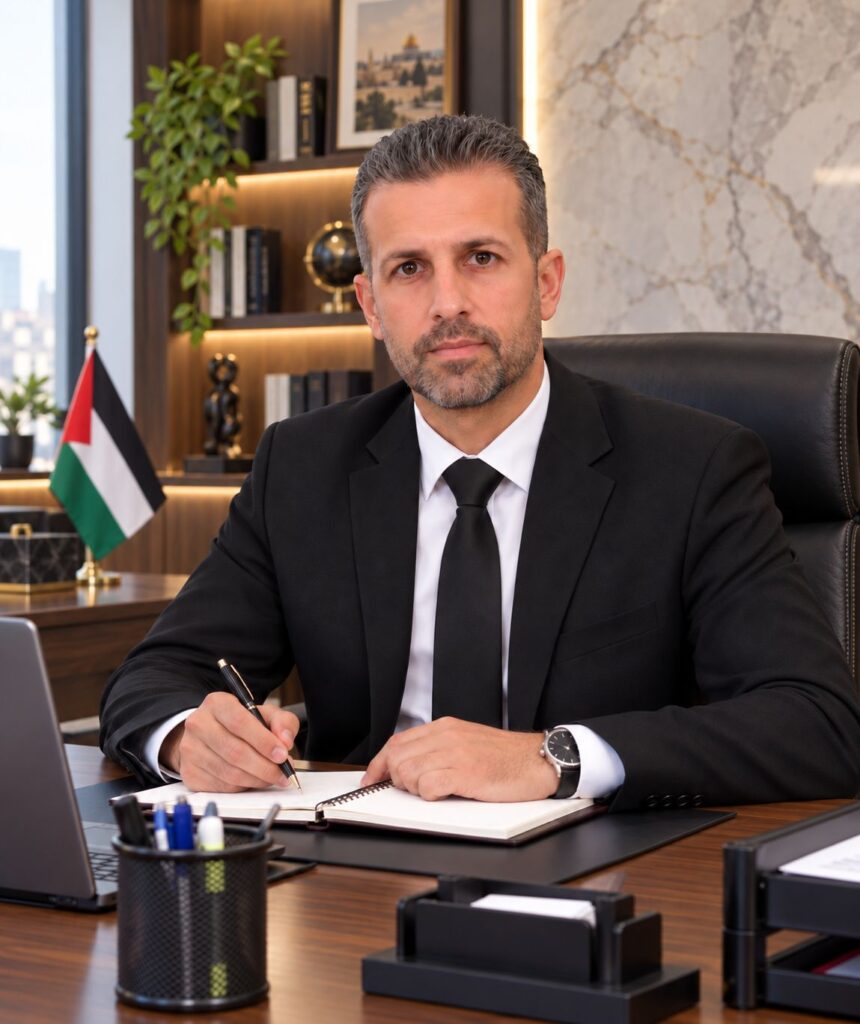
Ayman Mohammad Hussein Mashareqa

Partner

Originally from Nablus, Ayman has been with Bashar since the first stages of the project, from studying the idea to planning, founding and developing the company.

Where Jerusalem and Nablus meet

The partnership joins two historic cities, each with its own crafts and traditions. From that meeting came our vision: heritage as a starting point for the future.

Our journey

[NEEDED: client to confirm the timeline. The catalog says 1931, the owner’s story says the company was founded in 2017, and the meeting notes say 2022.]

~150 years ago

Tahini making begins in the family, in Jerusalem’s Old City.

2017

Beit Al Dimashqi for Tahini and Halawa is founded.

2022

A new chapter: production in Jericho.

2024

An exhibition in Malaysia.

2025

Anuga in Cologne and the Abu Dhabi Date Palm Exhibition.

Authentic, and up to standard

Then

  • Traditional flavour
  • Hand tools and stone mills
  • Craft experience

Now

  • The same flavour, kept unchanged
  • Automated roasting and grinding lines
  • Continuous lab testing and food safety systems

Heritage we carry, a future we build

We believe preserving heritage does not mean staying in the past. It means keeping its essence and developing it for the future. That is why we bring together inherited craft and modern technology, authentic taste and standards of quality, hygiene and food safety.

150 years of craft

+

Modern technology and strict quality

=

Beit Al Dimashqi tahini