Beit Al Dimashqi

From seed to table

Every sesame seed has a story

Great tahini starts with the basics: a good sesame seed. Here is how it becomes the tahini on your table.

Where it comes from, where it goes

Origin

Sudan and Ethiopia

Gedaref region (Sudan) and Humera region (Ethiopia), chosen by price and availability. Both are top tier growing areas.

Factory

Jericho, Palestine

Jericho Industrial Zone, developed as part of a Japanese government project.

Route

Ashdod Port

Overland transport and commercial crossing procedures, then sea freight from Ashdod.

Markets

Jerusalem and beyond

Previously exported to the USA, the Gulf and Europe; today mainly Jerusalem.

From Jericho to the world

Export route and logistics

At Beit Al Dimashqi, we coordinate export and logistics so our tahini and halawa move smoothly from our production facility in Jericho to international markets.

Exports cover overland transport, customs and port procedures, container handling, sea freight and coordination with international logistics partners, so our products reach their destination efficiently and in suitable transport conditions.

Beit Al Dimashqi factory, Jericho, Palestine

Overland transport and commercial crossing procedures

Ashdod Port

Port handling and customs clearance

Sea freight

Port of the destination country

Customs clearance, receipt and local distribution

Our customers in markets around the world
Ten steps from seed to jar

Arrival

Sesame reaches our factory in Jericho.

Lab testing

Each lot is tested in our in house lab for yeast, mould, pesticides and other food safety parameters.

Cleaning and sorting

Washing and careful cleaning remove impurities and non conforming seeds.

Hulling

The outer skin is removed.

Roasting

Automated gas heated rotating drums roast the sesame evenly over several hours, at set temperatures and times, until colour, aroma and flavour are right.

Cooling

The roasted sesame is cooled before grinding.

Sieving

Damaged, burnt or unsuitable seeds are removed.

Grinding

Modern grinding lines turn the seed into a smooth, even paste, rich in natural sesame oil, with checks during production.

Filling and labelling

Tahini is filled into jars, sealed, labelled and batch coded.

Storage and shipping

Finished products leave Jericho for international markets along our export route.

Inside Jericho

Production, step by step

01 Receiving
02 Cleaning
03 Hulling
04 Roasting
05 Grinding
06 Filling
07 The lab
08 The warehouse

Illustrative clips of each step. The grinding clip is animated from a photo of our machine in Jericho.

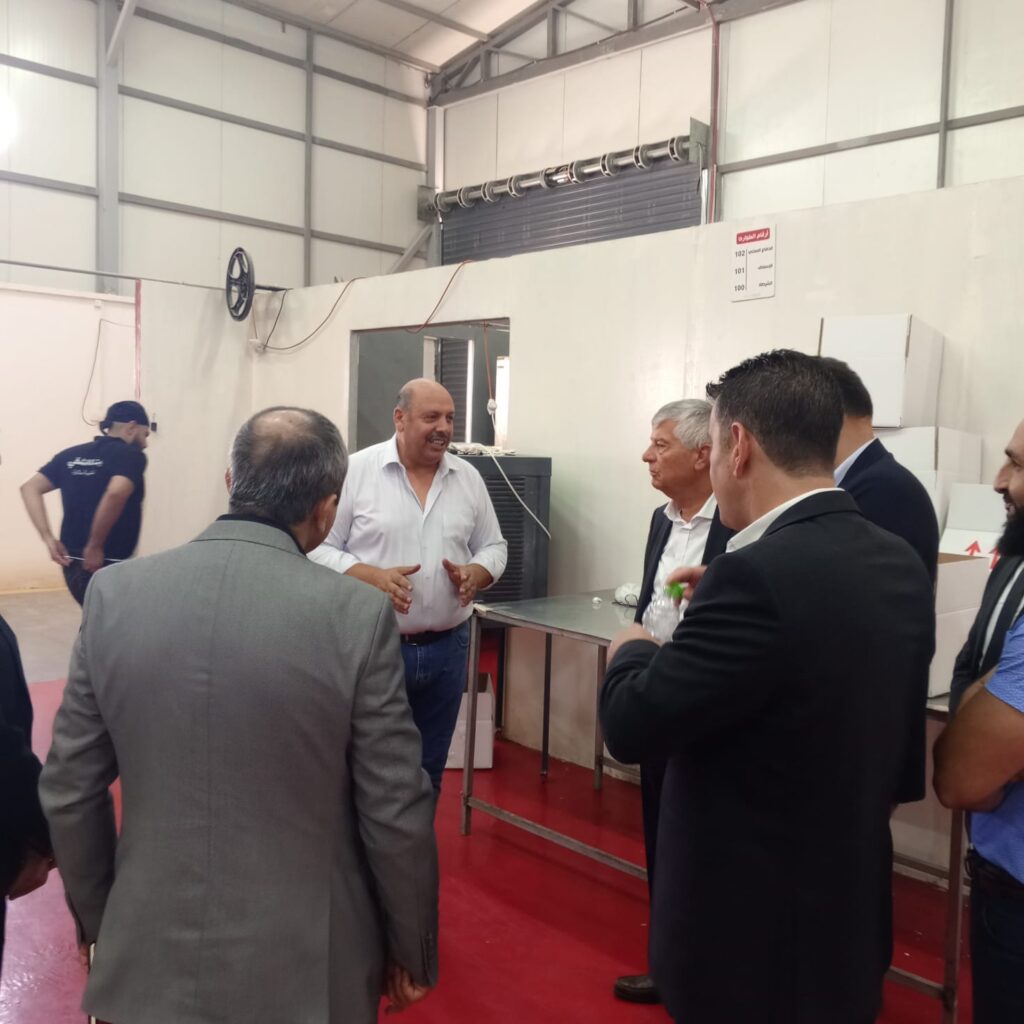
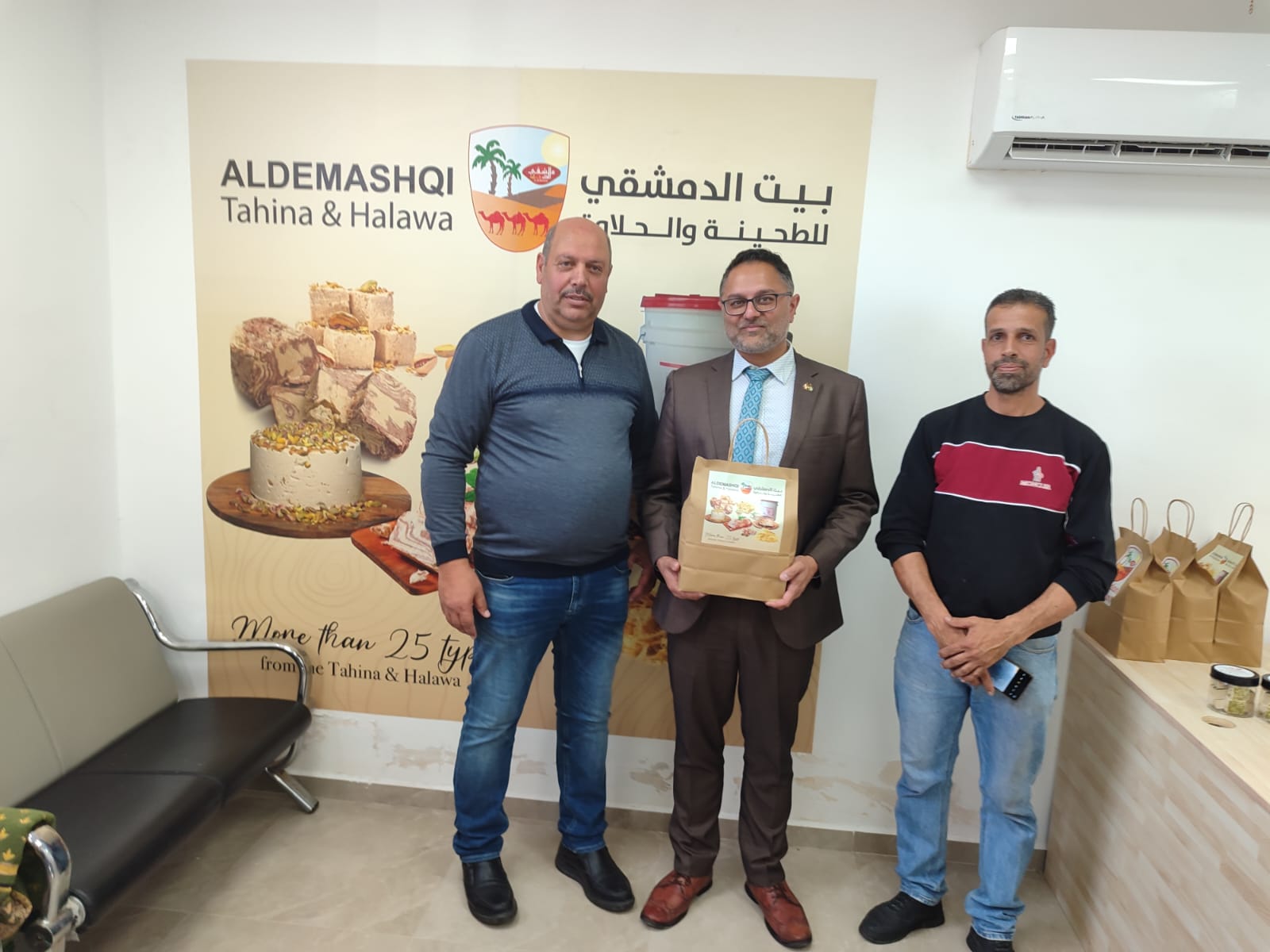
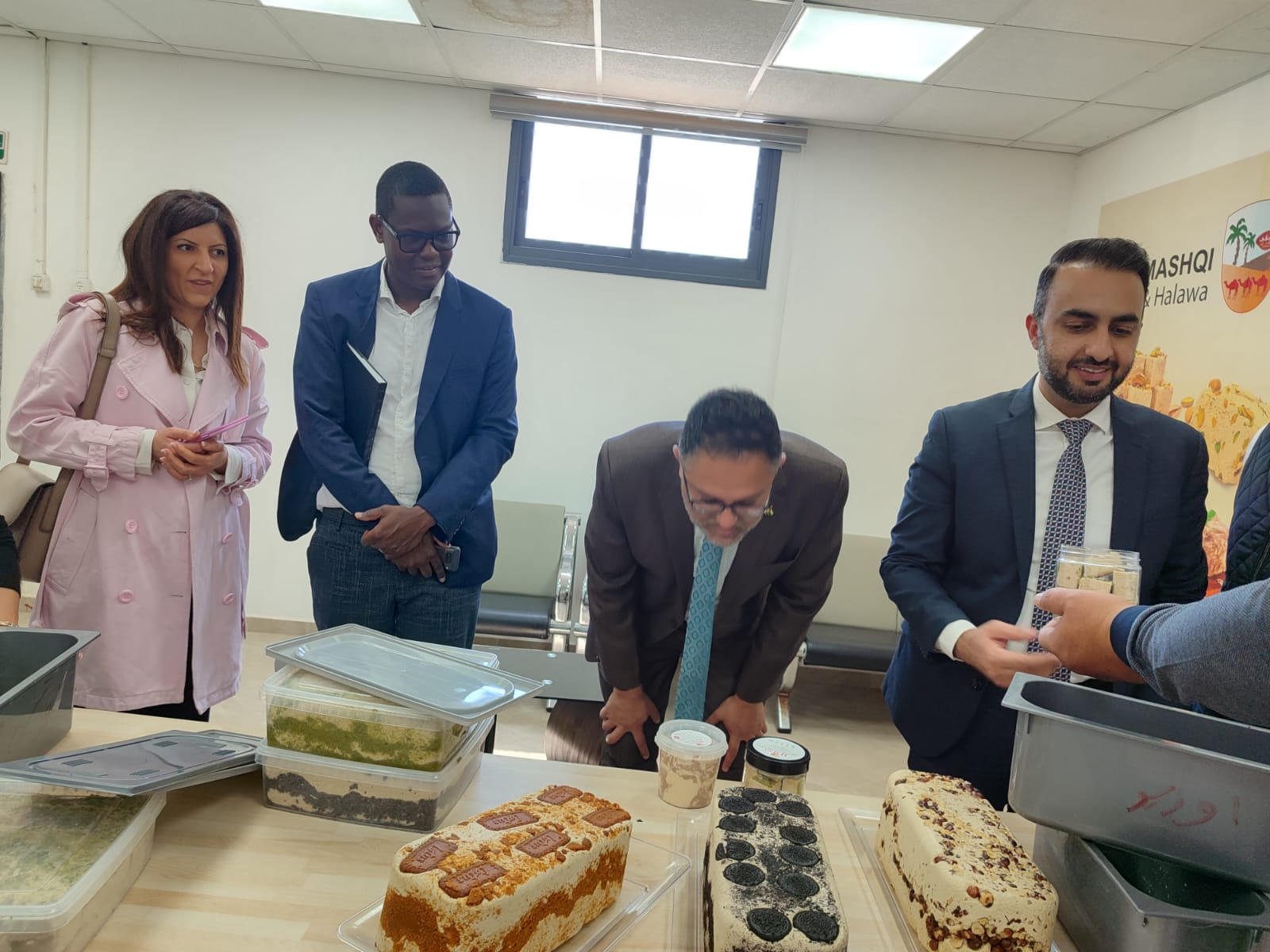
Visit to the Beit Al Dimashqi factory, Jericho

The roast makes the character

Roasting is one of the most important stages. It shapes the colour, the aroma and the flavour of the tahini.

We no longer use stone mills. Our roasting and grinding are machine controlled for consistency, batch after batch.

Inside the factory

Jericho, today

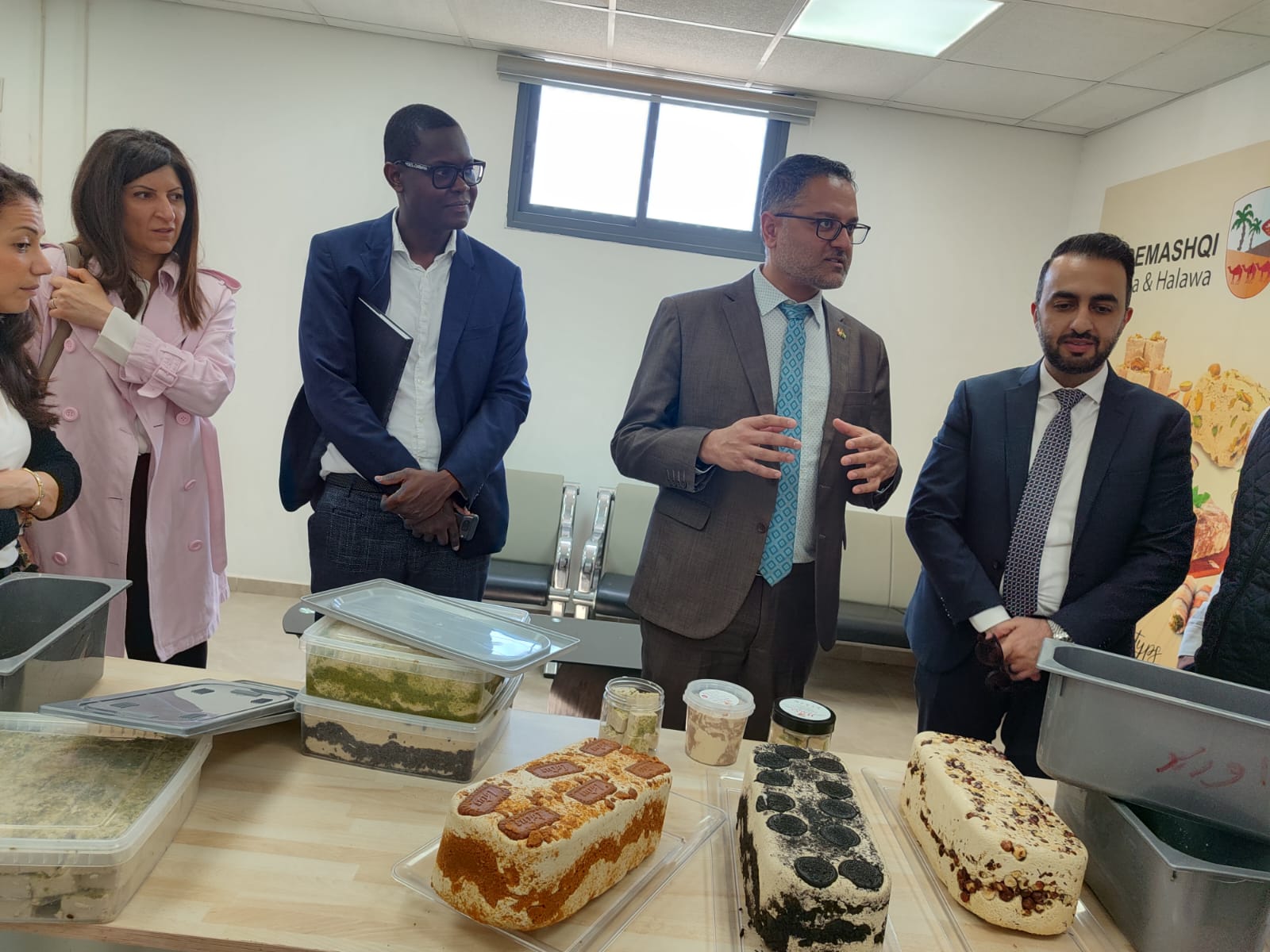
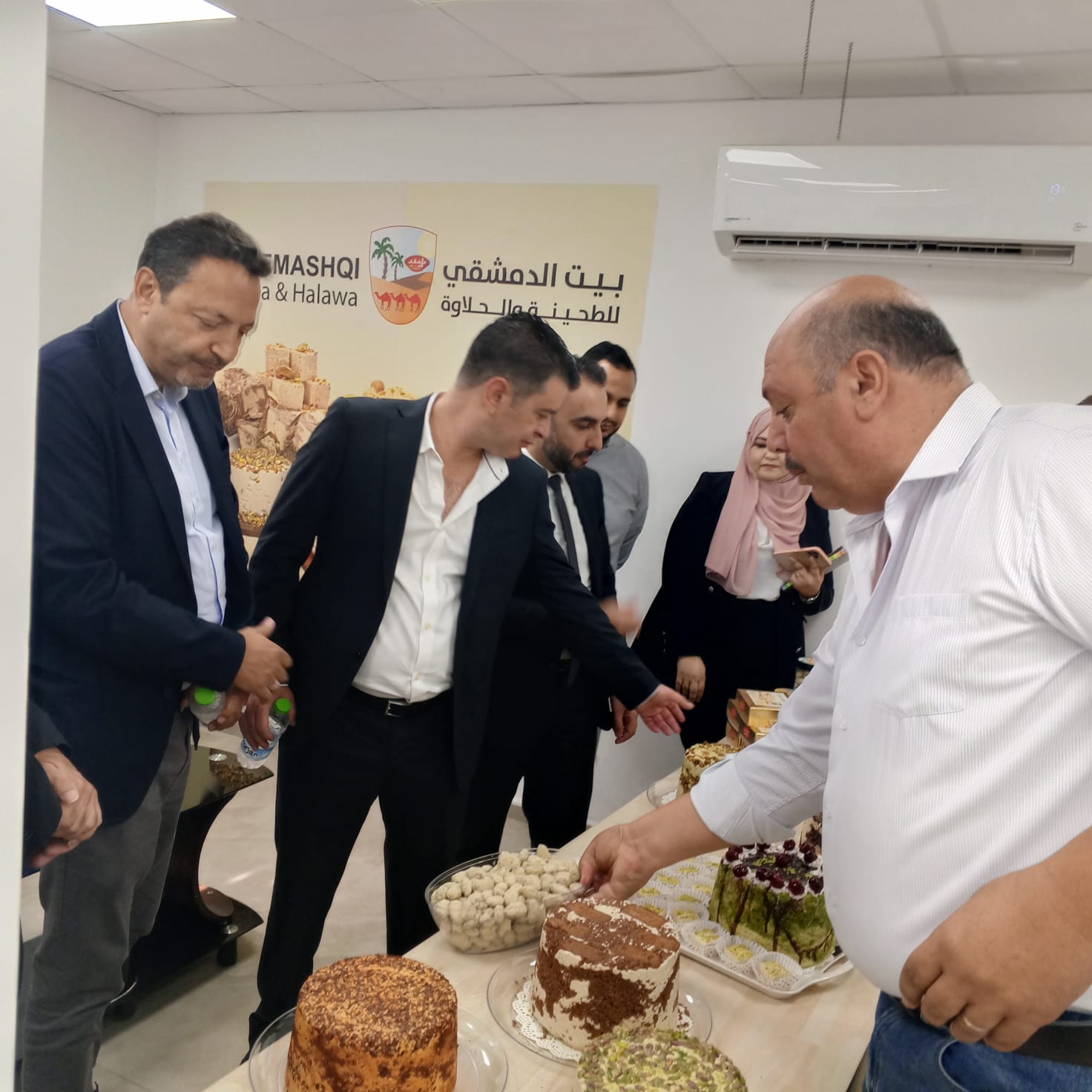
On the table

Where the journey ends

Why thick matters

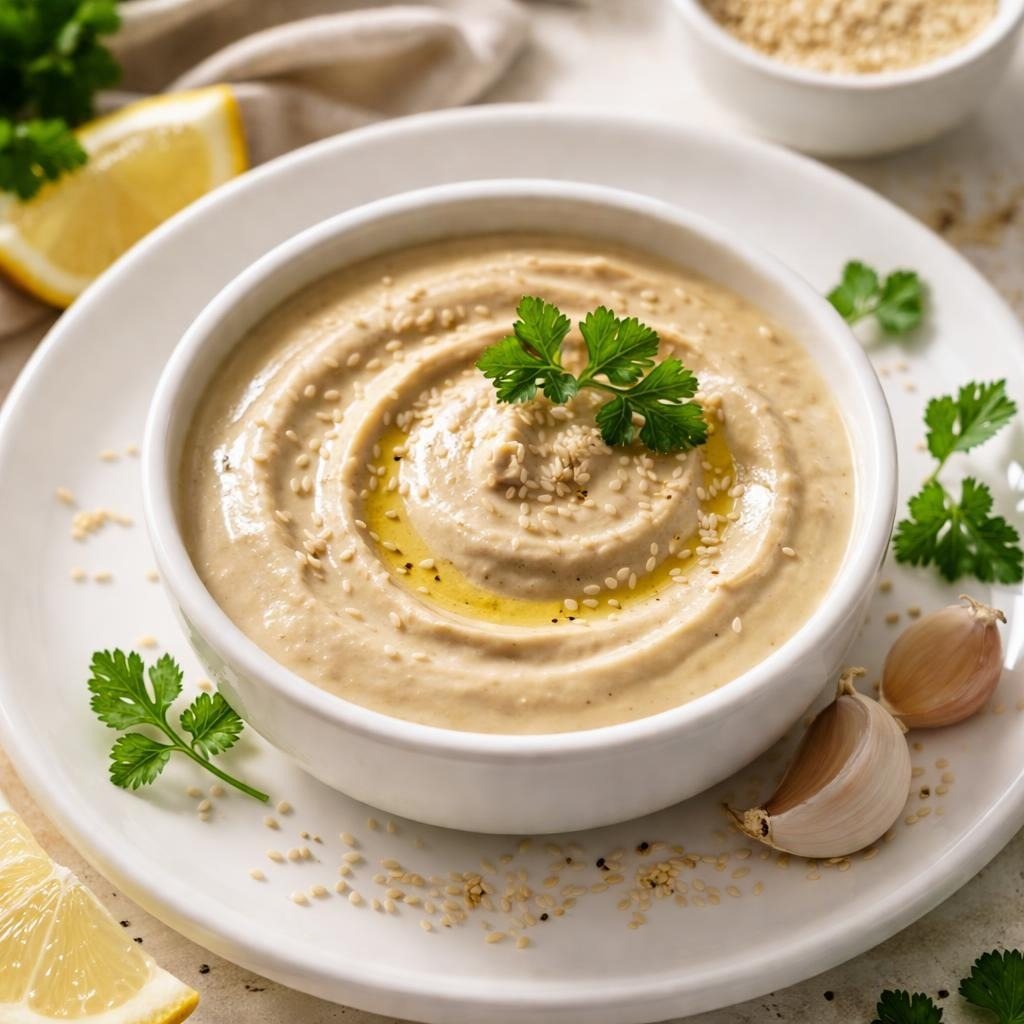
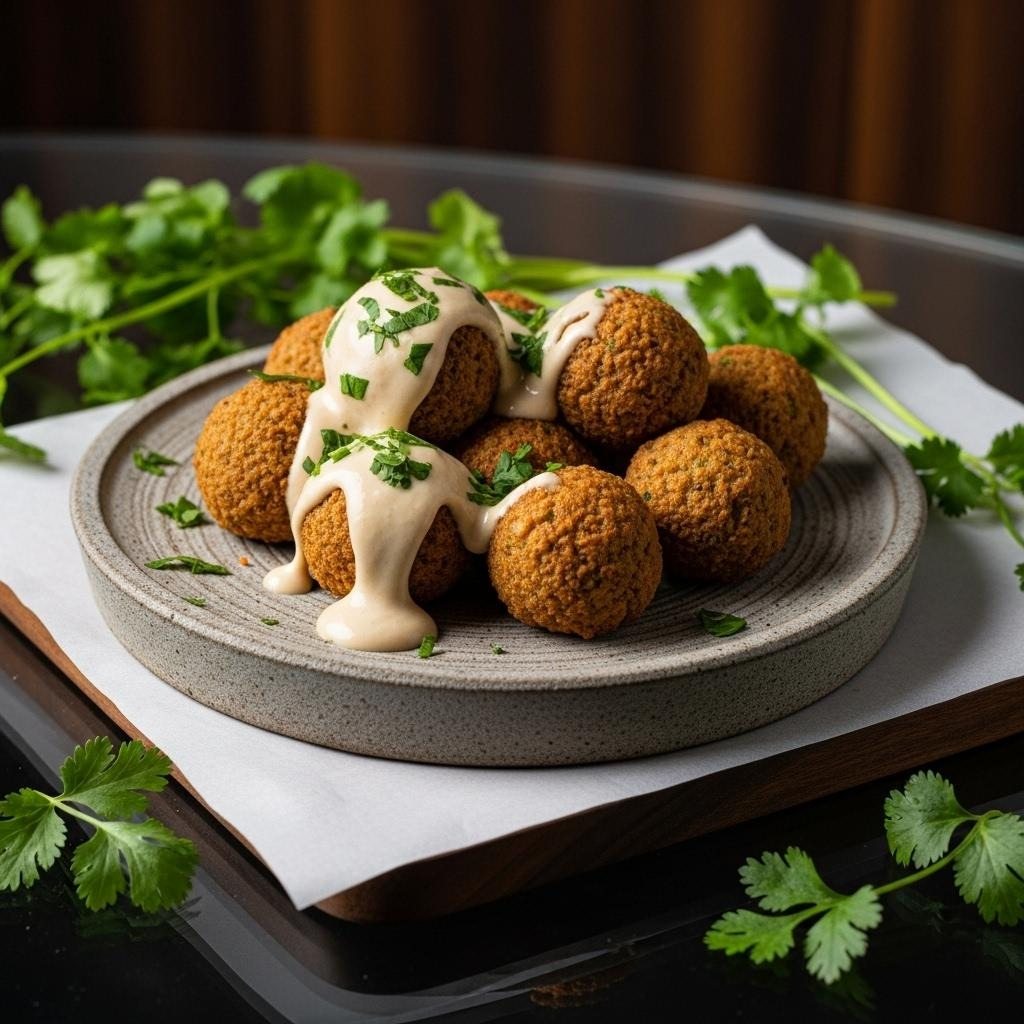
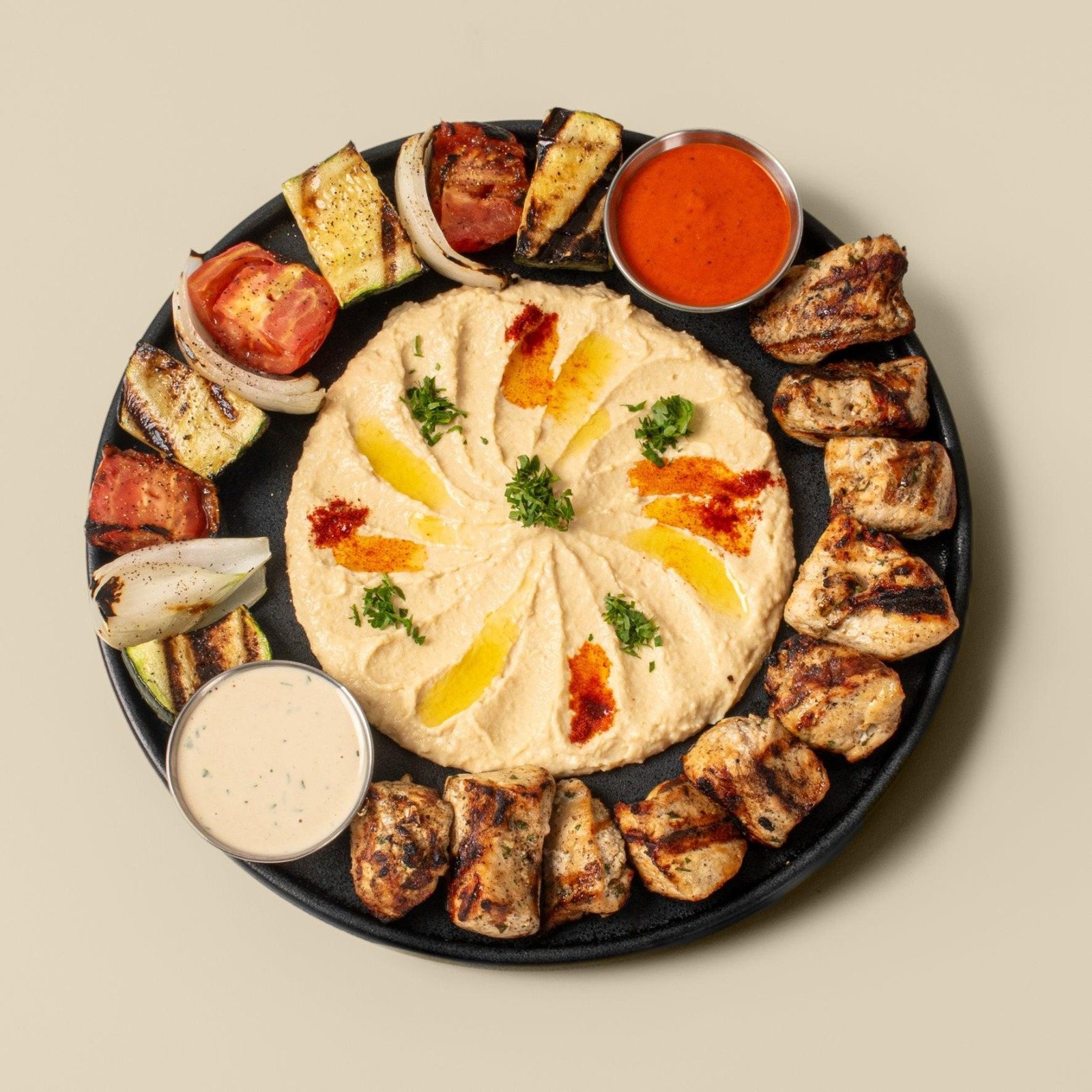
In Palestine, a thick tahini means more sesame and nothing added. It is what hummus and falafel need: a runny tahini would not hold up in these dishes.